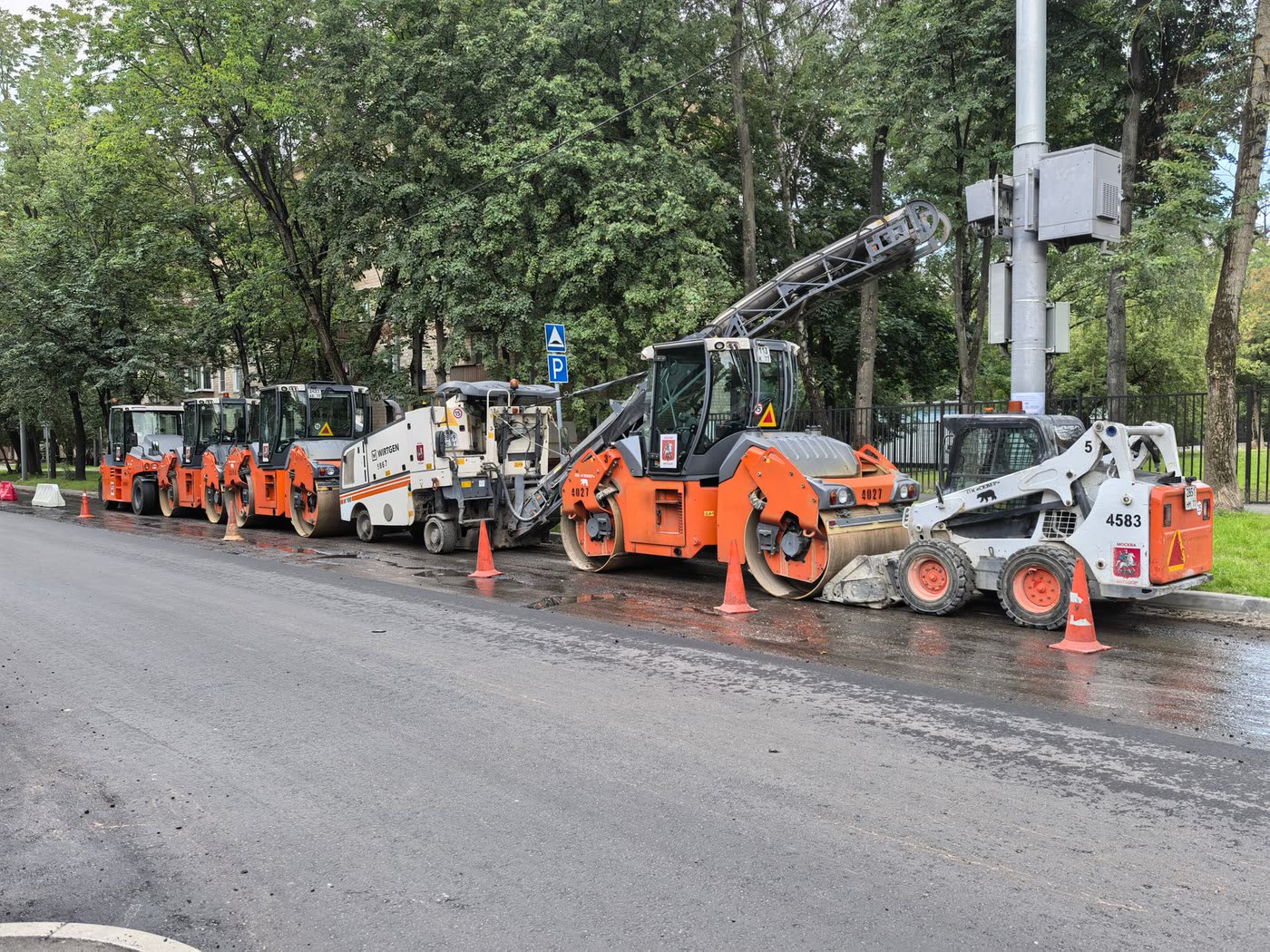
Larger and specified work
Driveway contractors.
Longer drives, shared accesses, estate roads and commercial hardstanding, where the job stops being a two-day domestic install and starts needing a specification.
- Typical scope
- Estate roads, shared accesses, car parks, farm tracks
- Key design input
- Traffic loading, not just area
- Drainage
- Usually a designed system, not a soakaway
- Pricing basis
- Measured rates against a written specification
- Written, itemised quotesExcavation, sub-base, edging and drainage priced separately
- Site survey before pricingNobody prices a driveway properly from a satellite photo
- Compliant surface water drainageBuilt to meet the 2008 permeable-surface rules, not around them
- Local installers onlyCrews working their own patch, not a national call centre
There is a point where a driveway job changes character. A single-car frontage is a domestic install. A 300-metre farm track, a shared access serving eight houses, a small business car park or an estate road being brought up to adoptable standard is contracting work, different plant, different design questions, and usually a specification that somebody has to write before anyone prices it.
This page is about that end of the work: what a proper scope contains, how these jobs get priced, and the questions that decide whether competing tenders are actually comparable.
The practical dividing line is not size, it is loading and shared responsibility. As soon as a surface carries delivery vehicles, is used by more than one household, or has to be maintained under an agreement, the design has to consider traffic loading, adoption standards and long-term liability. A build that is right for a family car is not automatically right for a refuse lorry turning on it twice a week.
What a proper scope of works includes
On anything larger than a domestic drive, the quality of the tender depends entirely on the quality of the scope. If three contractors are pricing three different assumptions, comparing their totals tells you nothing.
- Survey and levels
Existing levels, falls, and where water currently goes. On a larger area this is the difference between a surface that drains and one that ponds in three places.
- Design loading
What will actually use it. A car park taking delivery vehicles needs a different build-up from one taking cars, and the difference is in the sub-base and the bound layers, not the surface.
- Ground investigation
On a larger area, trial holes are cheap relative to the risk. Finding made ground or a high water table after mobilisation is the most expensive way to discover it.
- Drainage design
Gullies, channel drains, interceptors where required, and a defined outfall with permission to discharge into it. Surface water consent is a real constraint and it is easier to establish before pricing.
- Materials and layer thicknesses
Named products and stated depths for each layer, so all tenders price the same build.
- Phasing and access
How the site stays usable during the work. On a shared access or a working car park this is frequently the largest single cost driver and it is routinely left out of the scope.
- Reinstatement and make-good
Verges, kerbs, gullies, line marking and anything disturbed. Cheap to specify, expensive to argue about afterwards.
Shared accesses and private roads
Shared private drives and unadopted roads are the most common source of larger paving work in this area, and the hardest to get moving, not for engineering reasons but for ownership ones. Before pricing, it is worth establishing who owns the surface, who is liable for maintenance under the deeds, and whether everyone contributing has agreed the scope.
We will quote a shared access on the basis of a single instruction from whoever is authorised to give it. What we will not do is start work on a surface where the ownership is unclear, because that is a dispute waiting to happen and the contractor is the one standing in the middle of it.
Why the cheapest tender is often not comparable
On larger jobs the price spread between tenders is usually explained by four things: the sub-base depth assumed, whether disposal is included and at what rate, whether drainage is a designed system or a token gully, and what has been allowed for keeping the site operational.
Ask each contractor to price the same specification, and ask for the rates alongside the total, measured rates for excavation, disposal, sub-base and surfacing. A tender priced as rates can be checked and can absorb a change in quantity fairly. A single lump sum with no build-up cannot.
FAQ
Common questions.
Do you take on commercial paving work?
Yes, car parks, business forecourts, estate roads and shared accesses. Those jobs are priced against a written specification rather than from a walk round, because the loading and drainage design change the build-up substantially.
What is different about a car park compared with a driveway?
Loading, mostly. A surface that takes delivery vehicles or refuse lorries needs a deeper and stronger build-up than one taking cars, and the drainage becomes a designed system with gullies and a consented outfall rather than a soakaway. The surface material is the smallest part of the difference.
Who is responsible for a shared private driveway?
It depends on the deeds, and it is worth establishing before anyone quotes. Many shared accesses have a maintenance covenant setting out how costs are split. Where ownership or liability is unclear, that needs resolving first, a contractor cannot resolve it for you.
Can you price from a drawing?
We can price from a drawing and a specification, and that is the right way to tender a larger job. We would still want to see the site before starting, because access and existing ground conditions are the two things a drawing consistently understates.
How many quotes should I get for a driveway?
Three is sensible, and the useful comparison is the specification rather than the total. If one is markedly cheaper, find the line it has left out, because it will be excavation depth, sub-base thickness or drainage.
What time of year is best for driveway work?
Spring through autumn for anything needing a dry window, so resin and concrete especially. Block paving and tarmac cope with more, though nobody enjoys laying either in a hard frost. Winter often means shorter lead times.
Who is responsible for the dropped kerb?
You are, and it is a separate application to the highway authority rather than part of the driveway job. Apply early. Discovering a crossing is refused because of a street tree or a service chamber after the drive is built is an expensive way to find out.
Related pages
Written and reviewed by the PaveLocal team. We build and specify driveways across Northamptonshire, Buckinghamshire and Bedfordshire. Pricing and specification guidance on this page reflects what these jobs cost and involve in this region, not a national average.
Free quote
Get a free quote.
Send your postcode and a rough size and we will arrange a survey. A photo of what is there now tells us more than a paragraph does.
- Itemised, in writingExcavation, sub-base depth, edging, drainage and surface priced as separate lines, so you can compare quotes properly.
- Surveyed before it is pricedGround conditions decide the cost of a driveway. Anyone quoting a firm price off a photo is guessing.
- No obligationA quote is a quote. If you use someone else, that is fine, we will not chase you about it.
Prefer to talk it through? Call 07423 123796, message us on WhatsApp or email info@pavelocal.co.uk.