Natural stone
Setts and stone paving are the sympathetic choice against Buckingham limestone. Expensive and slow to lay, and the right answer on a period frontage.
More on natural stone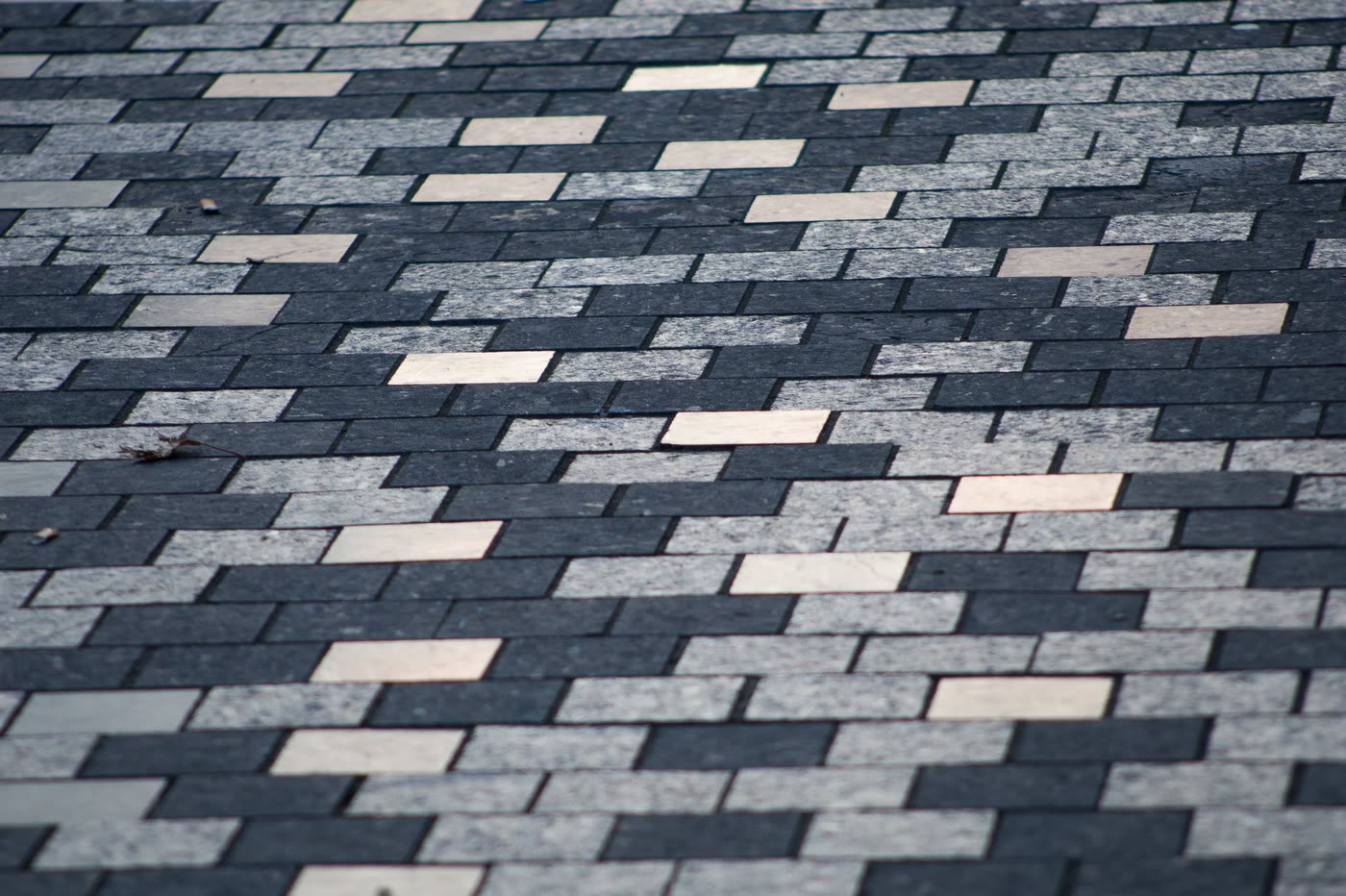
Buckingham, Buckinghamshire · MK18
Driveways in Buckingham split between a Georgian town centre rebuilt after the 1725 fire and a ring of modern housing around it. What suits one does not suit the other.
Local detail.
Buckingham driveways
Buckingham's centre was largely rebuilt in stone and brick after the fire of 1725, and much of it is now conservation area. That makes the town one of the few places we work where the material question comes before the specification question, a frontage on Market Hill or West Street is a design decision, not just a groundworks job.
Around that core, the modern estate housing and the properties out towards the university are conventional work: replacement drives, widening, and the same developer-spec settlement issues that turn up everywhere.
On the older Buckingham streets there are two constraints that do not exist on a modern estate. The first is what you are allowed to lay, conservation area status and, on listed frontages, listed building consent, both of which need checking with Buckinghamshire Council rather than assumed. The second is purely physical: narrow frontages, shared accesses, no room for a skip, and in places nowhere to put a digger. That pushes work towards smaller plant, hand-digging and more trips, which is slower and therefore dearer per square metre than the same drive on an open plot. It should be visible on the quote as such.
Surfaces
Four options, and the case for each on this ground. The right answer is usually decided by what is already on the plot, not by a brochure.
Setts and stone paving are the sympathetic choice against Buckingham limestone. Expensive and slow to lay, and the right answer on a period frontage.
More on natural stoneA middle option, the colour is fired through the block so it does not fade, and it reads as brick rather than as concrete. Suits the town's brick frontages well.
More on clay paversConcrete blocks are the practical choice on the modern estates around the town, where matching a period frontage is not the constraint.
More on block pavingTraditional, permeable and appropriate on the village properties around Buckingham. In a stabilising grid it stays put and needs almost nothing doing to it.
More on gravelThe Ouse runs through Buckingham and some of the lower ground near it does not drain quickly. On those plots, adding hard standing without thinking about where the water goes moves a problem rather than solving it.
The realistic options are a permeable build-up that keeps the water on your own plot, or a properly sized drainage connection. Which one is right depends on how the specific plot behaves in heavy rain, and that is a survey question. What we will not do is lay an impermeable drive that falls towards a neighbour and call it finished.
How it works
Four stages. The timings below are what these jobs really take, not the best case with everything going right.
Postcode, rough size, and what is there now. A photo of the existing drive from the pavement tells us more than a paragraph does.
Same day, usually within a few hours.
Someone comes out, measures up, checks levels and finds out where the water currently goes. This is also when access gets checked, a machine that cannot reach the back of the plot changes the price.
Typically within a week of your enquiry.
Dig depth, sub-base type and thickness, edging, drainage solution, surface material and make-good. Separate lines, so you can hold it against another quote and see where they differ.
2–3 working days after the survey.
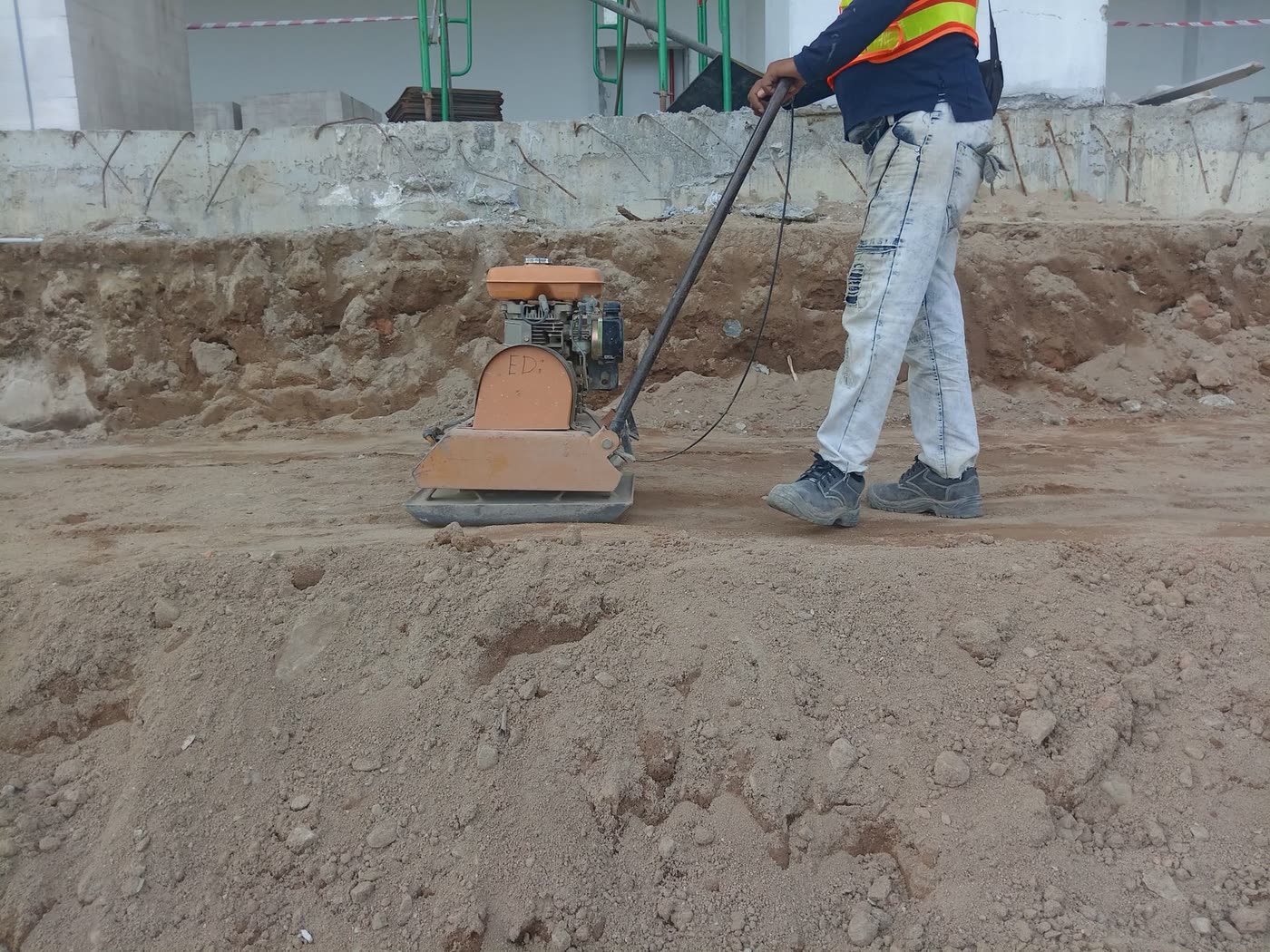
A typical two-car driveway is three to five working days on site: dig out and cart away, lay and compact the sub-base, edge it, then surface it. Resin and concrete both need a dry weather window, so dates move in a wet week.
Lead time depends on the season, spring and early autumn are the busiest.
FAQ
Possibly. Conservation area status restricts some frontage work, and if the property is listed, listed building consent may be needed for changes to the setting. Check with Buckinghamshire Council before ordering materials rather than after.
On a period frontage in a conservation area, usually yes, it is the material the buildings were designed around and it ages rather than deteriorates. On a modern estate house it is a large amount of money for a look that clay pavers get most of the way to.
Yes, Maids Moreton, Gawcott, Padbury, Tingewick, Akeley and the rest of MK18. Village drives tend to be longer, which usually points towards tarmac or stabilised gravel on cost per square metre.
No. The survey and the written quote are free and carry no obligation. We would rather look at the job properly than price it off a photograph and revise it later.
Long enough to compare it against others without being rushed. If material prices move we will tell you before the work is booked rather than after it has started.
A deposit covers materials once a date is agreed, with the balance on completion. It is set out on the quote before you commit to anything.
Areas covered
Covering Buckingham and the MK18 villages, Maids Moreton, Gawcott, Padbury, Tingewick, Akeley and Steeple Claydon.
Also covered Bletchley, Wolverton, Stony Stratford, Newport Pagnell, Olney, Woburn Sands and Winslow, plus the villages between them. These do not have a page of their own, there is no point writing one nobody searches for, but they are all inside the working area.
Written and reviewed by the PaveLocal team. We build and specify driveways across Northamptonshire, Buckinghamshire and Bedfordshire. Pricing and specification guidance on this page reflects what these jobs cost and involve in this region, not a national average.
Free quote
Send the postcode and a rough size and we will arrange a survey. A photo of the drive from the pavement tells us more than a paragraph does.
Prefer to talk it through? Call 07423 123796, message us on WhatsApp or email info@pavelocal.co.uk.