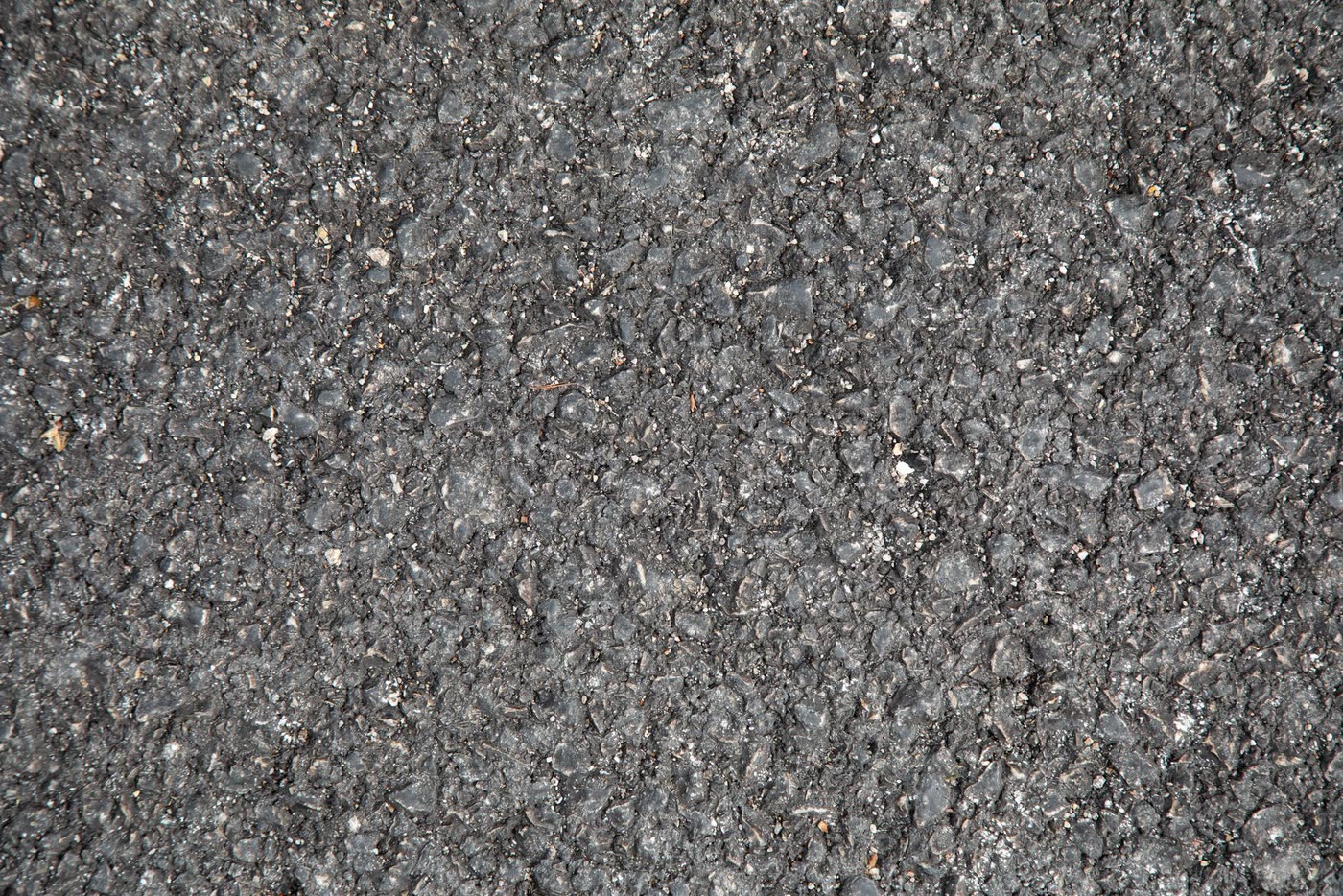
Surfaces
Tarmac driveways.
The cheapest way to cover a large area properly, and still the right answer for long drives. It just needs its edges taken seriously.
- Cost
- £45–£90/m² installed (indicative)
- Lifespan
- 15–20 years with proper edges
- Layers
- Base course plus wearing course
- Weakness
- Unsupported edges, and fuel spills
- Written, itemised quotesExcavation, sub-base, edging and drainage priced separately
- Site survey before pricingNobody prices a driveway properly from a satellite photo
- Compliant surface water drainageBuilt to meet the 2008 permeable-surface rules, not around them
- Local installers onlyCrews working their own patch, not a national call centre
Tarmac, properly, bitumen macadam, is a bound surface laid hot and rolled, usually in two layers: a coarser base course and a finer wearing course. On a large area nothing else comes close on cost per square metre.
It has an image problem in domestic work, partly deserved from decades of thin single-layer jobs laid by people who knocked on the door, and partly not: a properly built tarmac drive with good edges is a serviceable surface for fifteen to twenty years.
Tarmac has no tensile strength at an unsupported edge. Where it simply stops against a lawn or a border, the edge crumbles under wheel loads and then water gets in behind it and the failure works inwards. Every tarmac drive worth having is restrained, by a concrete haunch, a kerb, or a block paved edge course. If a tarmac quote does not mention what happens at the perimeter, that is the line that has been left out.
When tarmac is the right choice
Long drives and large areas, where the cost difference against block paving becomes substantial rather than marginal. Rural and semi-rural properties where a long approach in block paving would be both very expensive and slightly absurd.
It is also the usual base course under a resin bound surface, so a tarmac drive laid now is a candidate for resin later without starting again.
When it is not
On a small front garden the saving largely evaporates, because the fixed costs, excavation, disposal, edging and drainage, dominate and the surface is a small share of the total.
Tarmac is also impermeable, so at the front of a house it puts you squarely into the surface water rules and needs a drainage solution designed in. And it softens in sustained heat, which shows up as scuffing where cars turn on the spot and as indentations under a caravan jockey wheel or a motorcycle stand.
A note on doorstep tarmac
The classic doorstep approach, spare material from a job nearby, a price for cash, work starting today, is most commonly a tarmac offer, and it is worth naming plainly. There is no leftover hot material from another job; it does not work that way.
What gets laid in those jobs is typically a thin single layer over the existing surface with no edge restraint and no compaction worth the name. It looks acceptable for about a season.
FAQ
Common questions.
How long does a tarmac driveway last?
Fifteen to twenty years when it is laid in two layers over a proper sub-base with restrained edges. A thin single layer with no edge detail starts breaking up within a couple of years, which is where tarmac gets its reputation.
Can tarmac be laid over an existing driveway?
Over sound tarmac, yes, an overlay is a normal and economical repair. Over block paving or cracked concrete it is a bad idea, because the joints or cracks reflect through and the levels usually end up wrong at the thresholds.
Does tarmac need sealing?
Not structurally. Sealing restores the black colour and adds some surface protection, and it needs redoing periodically. Whether it is worth it is largely cosmetic.
Why has my tarmac gone grey?
Normal weathering, the bitumen binder oxidises at the surface and the stone shows through. It is a colour change rather than a failure. Crumbling, potholes and cracking are the things that actually matter.
How much is a tarmac driveway?
Roughly £45 to £90 per square metre installed as an indicative regional range, which makes it the cheapest way to cover a large area properly. The per-metre rate drops as the area grows, because the setup cost is spread further.
How long before I can park on new tarmac?
Foot traffic within a few hours, vehicles after two to three days, and avoid turning the wheels of a stationary car for the first few weeks. It stays slightly soft in hot weather for the first summer, which is normal.
Related pages
Written and reviewed by the PaveLocal team. We build and specify driveways across Northamptonshire, Buckinghamshire and Bedfordshire. Pricing and specification guidance on this page reflects what these jobs cost and involve in this region, not a national average.
Free quote
Get a free quote.
Send your postcode and a rough size and we will arrange a survey. A photo of what is there now tells us more than a paragraph does.
- Itemised, in writingExcavation, sub-base depth, edging, drainage and surface priced as separate lines, so you can compare quotes properly.
- Surveyed before it is pricedGround conditions decide the cost of a driveway. Anyone quoting a firm price off a photo is guessing.
- No obligationA quote is a quote. If you use someone else, that is fine, we will not chase you about it.
Prefer to talk it through? Call 07423 123796, message us on WhatsApp or email info@pavelocal.co.uk.