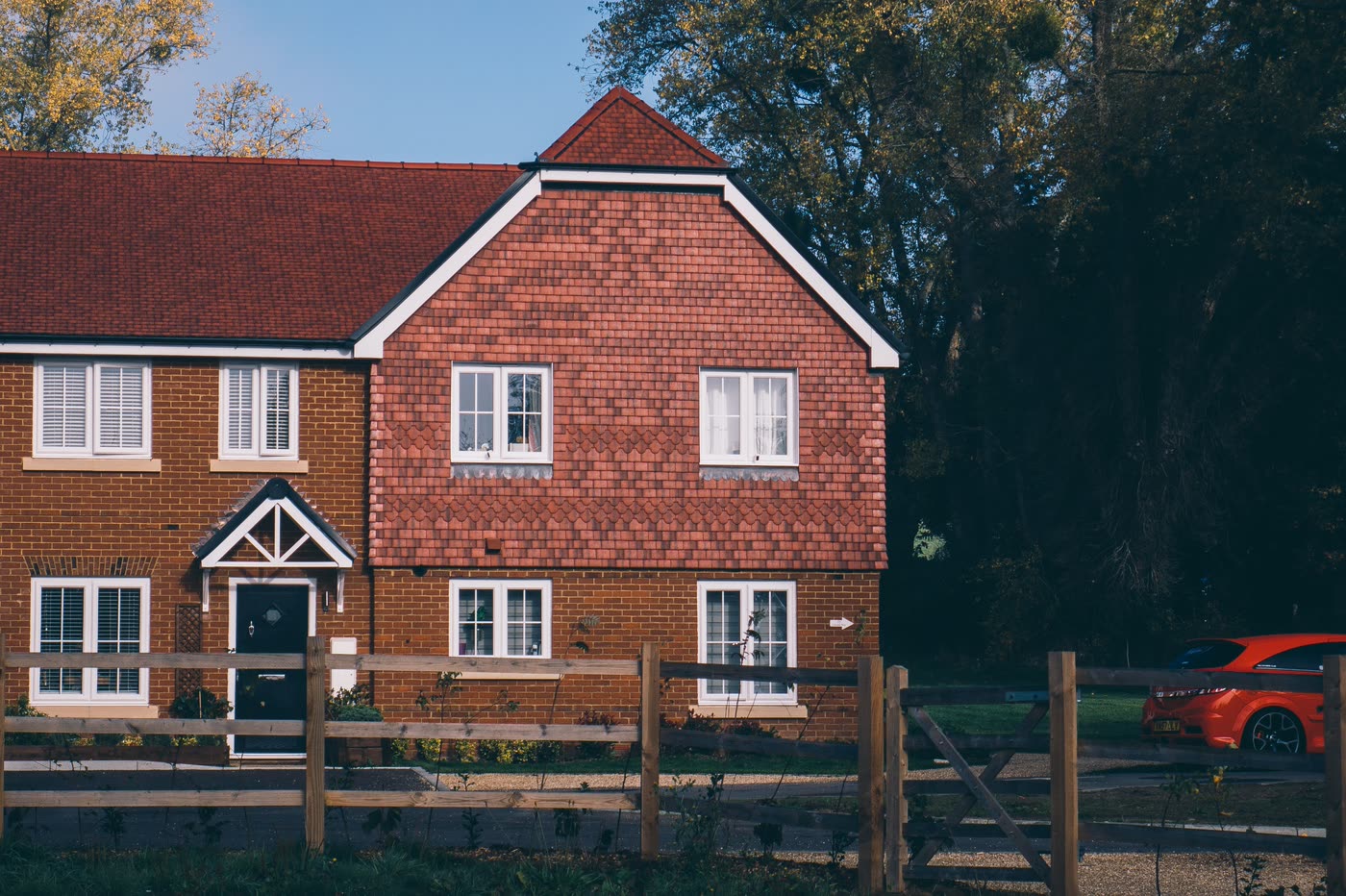
Dropped kerb in Northampton: the West Northamptonshire Council rules
In Northampton an approved contractor builds the crossing under a council licence. The size rules, the fee, the automatic refusals and the order to do it in.
Read the guideGuides
Costs, planning rules, and how to tell a repair from a replacement. Written to be useful before you get quotes, not to sell you a surface.
In Northampton an approved contractor builds the crossing under a council licence. The size rules, the fee, the automatic refusals and the order to do it in.
Read the guide
In Bedford only the council builds the crossover, and the drive behind it has to meet its size, drainage and surfacing rules first. The order to do it in.
Read the guide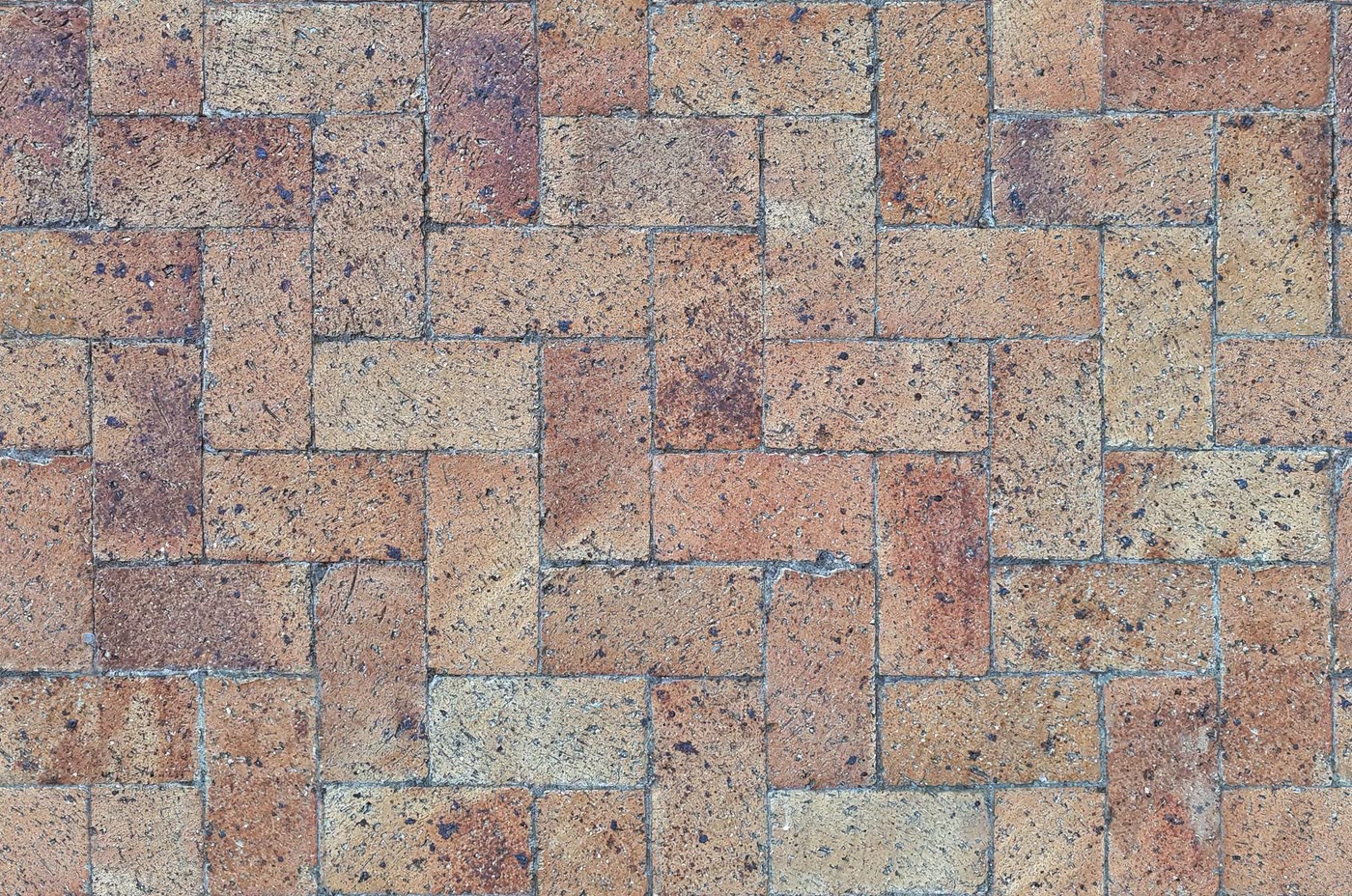
The grid roads get salted, your estate road usually does not, and the yellow bin on the corner is not for your drive. What that leaves you to do.
Read the guide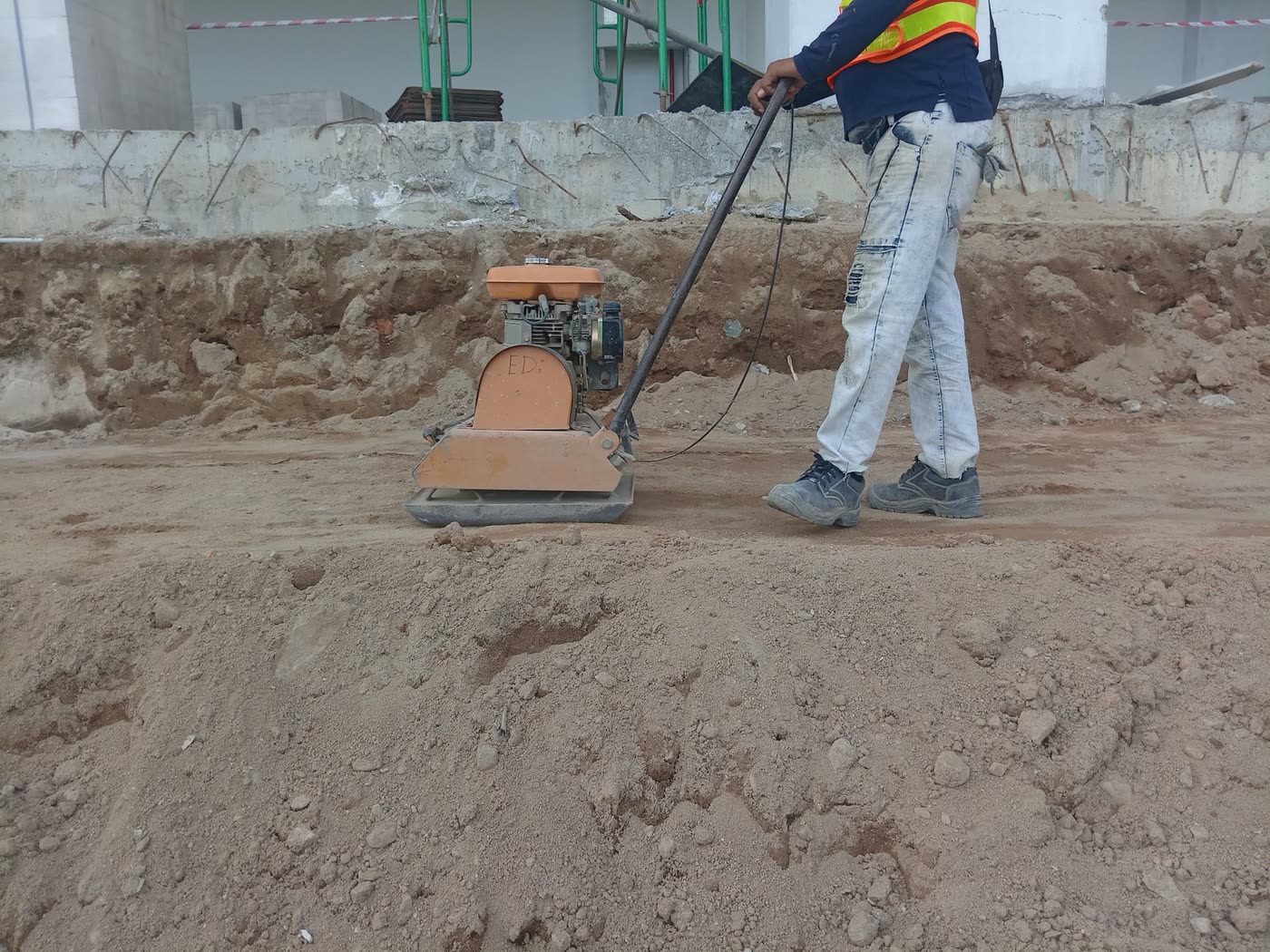
The sum is simple: area times depth, then into tonnes. The mistakes are in the depth and in forgetting what compaction does.
Read the guide
A membrane can stop a sub-base sinking into clay. It cannot stop weeds growing in the joints. Which job yours is actually doing.
Read the guide
The pattern is not just looks. On a drive that carries cars, the bond decides whether blocks stay put or start to creep.
Read the guide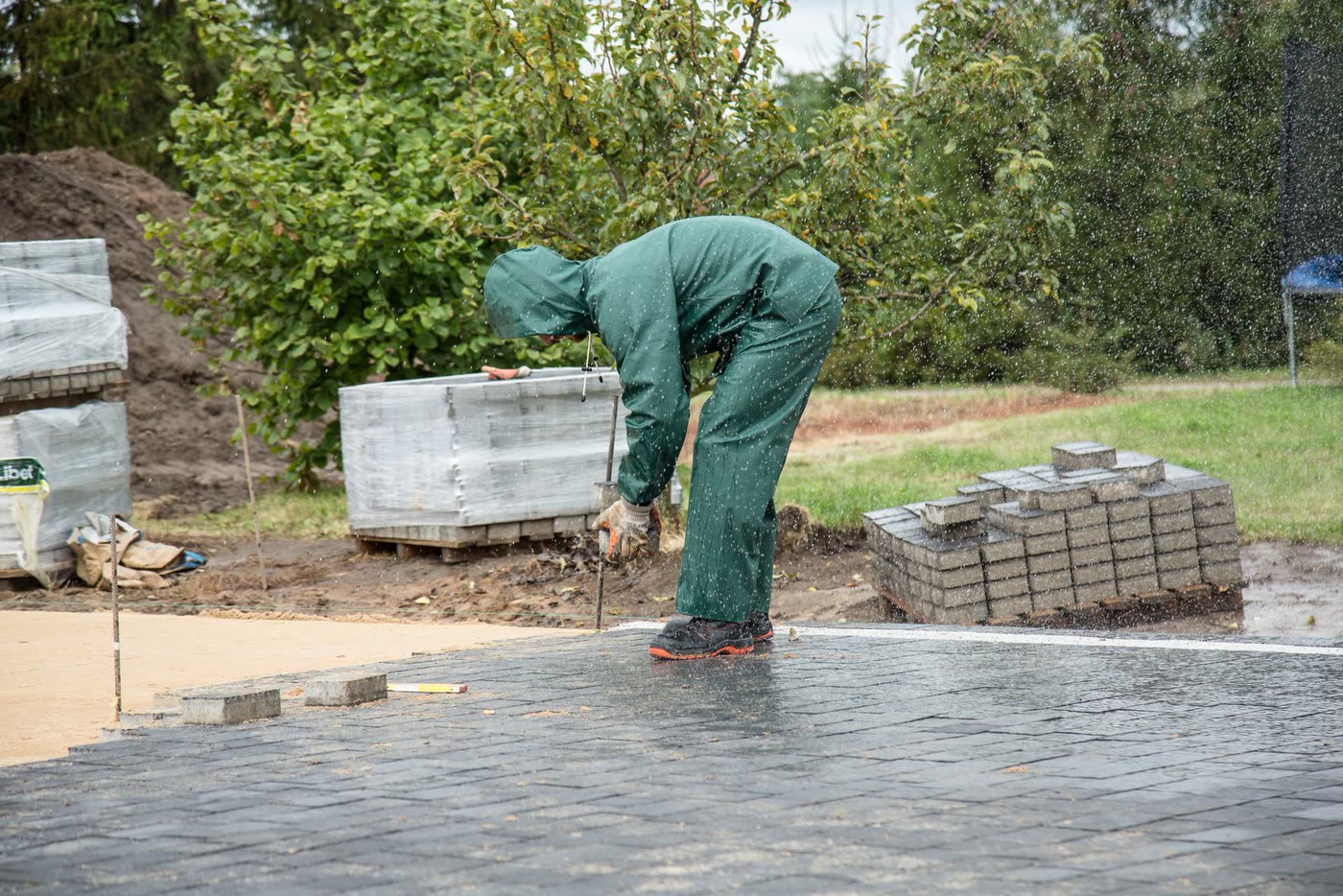
Lights are cheap to add while the drive is dug up and expensive to add afterwards. What works, what breaks, and what to plan first.
Read the guide
The sand in the joints is what holds a block drive together. Use the wrong sand, or not enough, and the blocks start to move.
Read the guide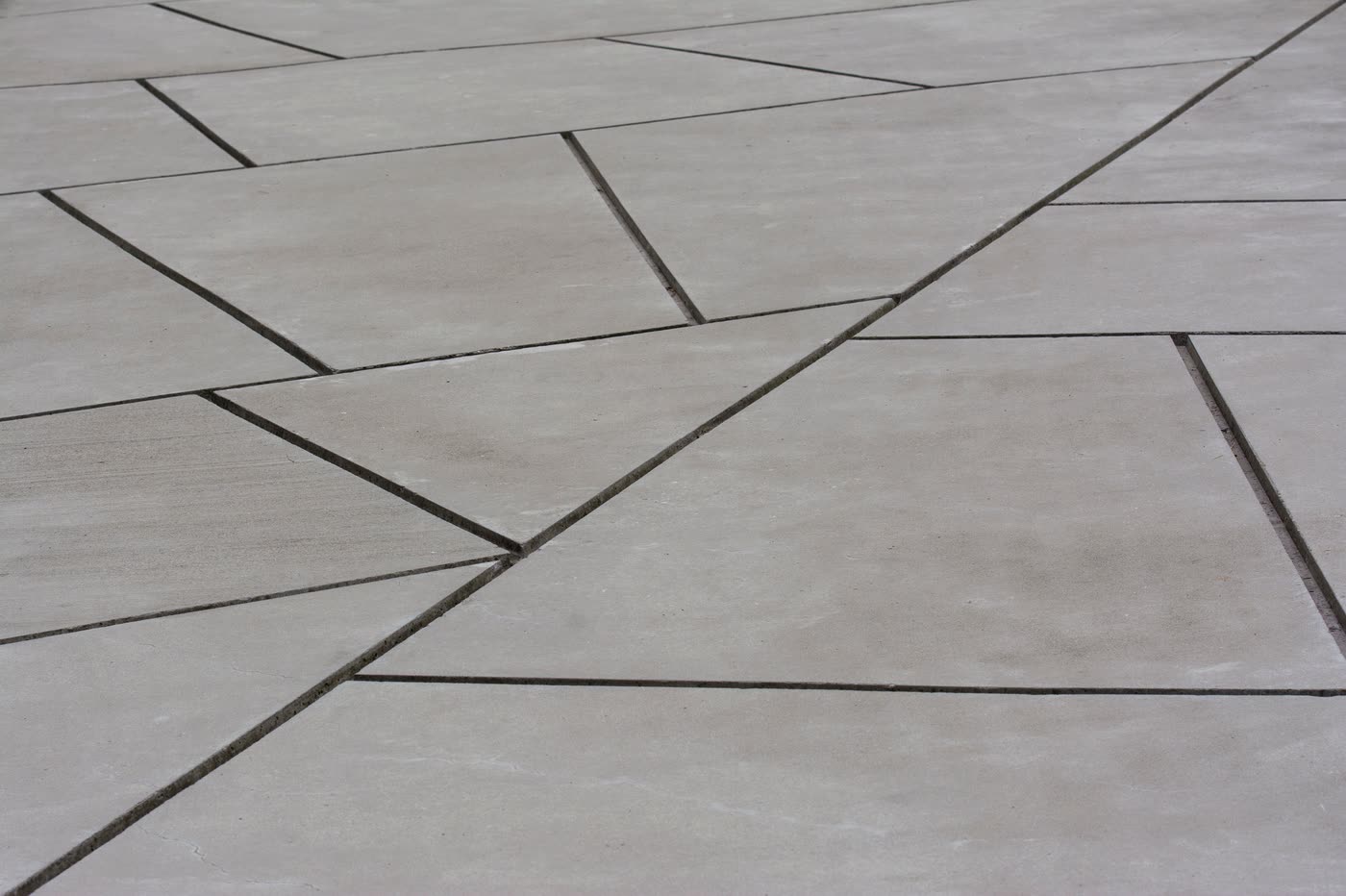
Plain concrete is one of the cheapest hard drives you can lay. It is also the hardest to repair neatly. Here is when that trade is worth making.
Read the guide
Four short jobs a year keep most drives going for decades. Skip them and small faults turn into a quote for a new drive.
Read the guide
Patio porcelain on a drive cracks. Driveway-grade porcelain on the right base can work. The difference is in the spec, not the brochure.
Read the guide
A sealer can hold jointing sand in and keep a drive cleaner for years. On the wrong drive, at the wrong time, it locks problems in.
Read the guide
Most drives take a few days on site. The approvals, the weather and the curing time are what stretch the calendar.
Read the guide
Clay swells when wet and shrinks when dry. The surface matters less than you think. What goes under it matters more.
Read the guide
A driveway you cannot legally drive onto is a patio. How the Milton Keynes City Council process works, and what it costs before any concrete is poured.
Read the guide
Grid-road estates, parking courts and clay ground all change the number. What a new drive in MK really costs, and why two quotes differ.
Read the guide
A sunken patch and a failing sub-base look identical from the doorstep. One is a morning of work, the other is the whole drive.
Read the guide
Why the rule exists, what counts as permeable, and how to design drainage that actually satisfies it on Bedfordshire clay.
Read the guide
Nobody chooses a driveway for its edges. It is still the detail that decides whether the middle stays where you put it.
Read the guide
It is quick, it is seamless and it photographs beautifully. The real question is what happens in year eight.
Read the guide
Half the price of block paving, and it either lasts twenty years or two. The grid is what separates them.
Read the guide
A driveway you cannot legally drive onto is a patio. The kerb application is the part to sort first, not last.
Read the guide
The per-metre number tells you less than the ground underneath does. Where each surface wins, and where the edges give way first.
Read the guide
The pressure setting that strips joints instead of cleaning them, and the one step almost everyone skips afterwards.
Read the guide
What shifts fresh oil, what shifts old oil, and the two products that do more harm than the stain.
Read the guide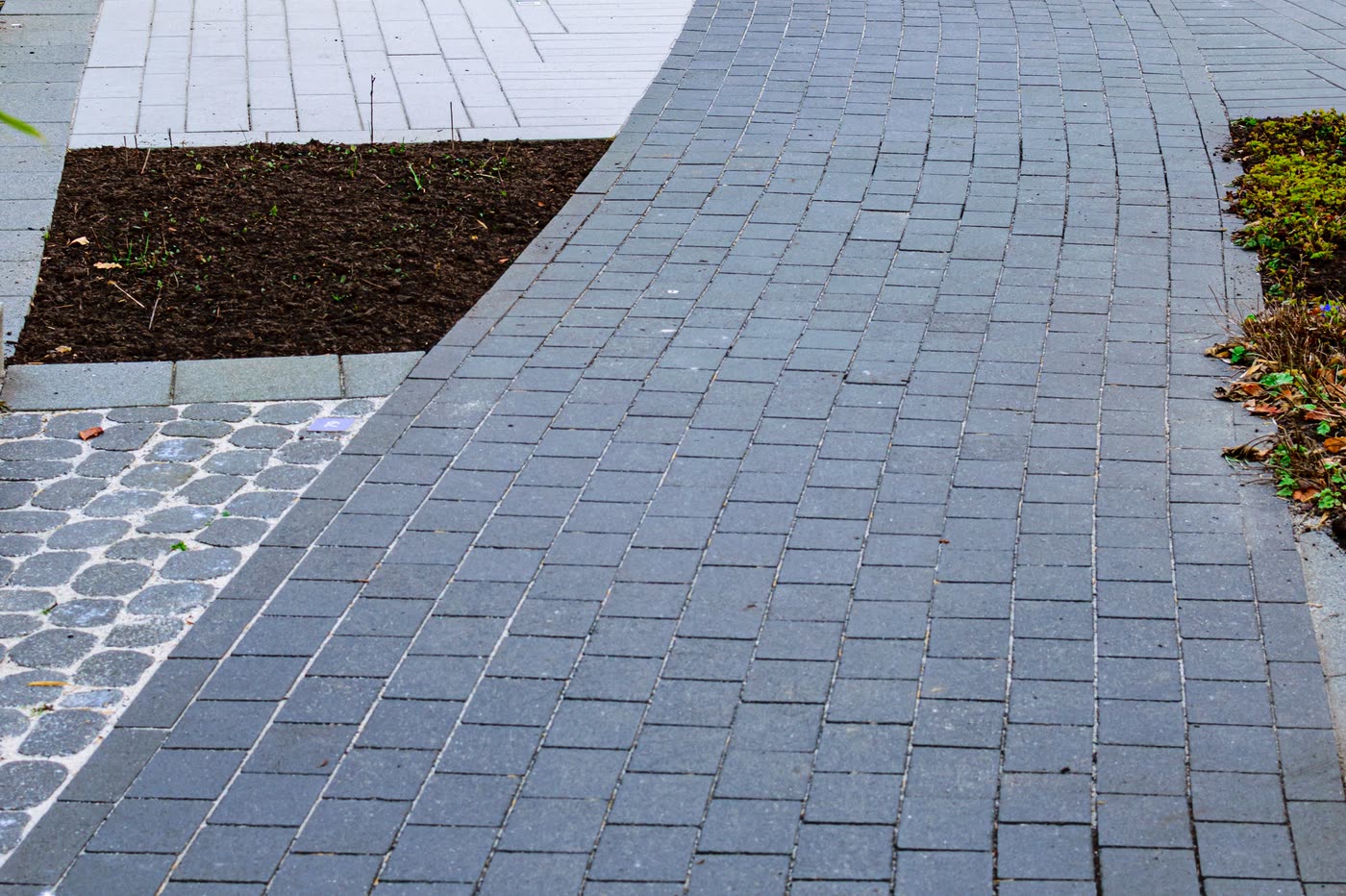
They germinate from above, not below, which changes the fix completely.
Read the guide
Per square metre, and why the same drive can cost £2,800 or £6,800 depending on what is already there.
Read the guide
The full build, layer by layer, and whether it is worth doing yourself.
Read the guide
Itemised regional cost ranges, and the four line items that explain why two quotes differ by thousands.
Read the guide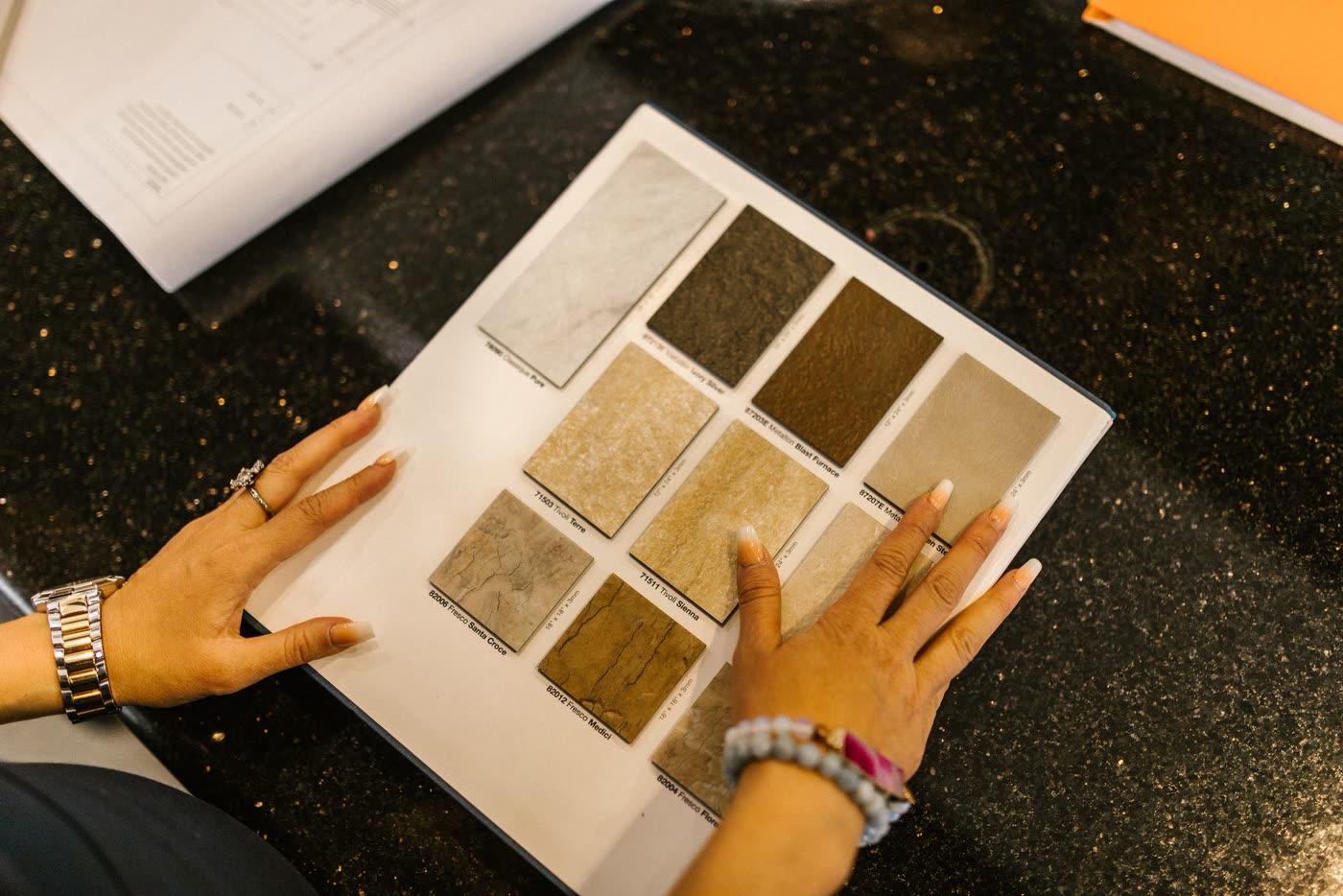
Cost, repairability, drainage and weather. Where each one wins, and where each one is clearly the wrong choice.
Read the guide
The 5m² rule, what counts as permeable, and why the dropped kerb is a completely separate application.
Read the guide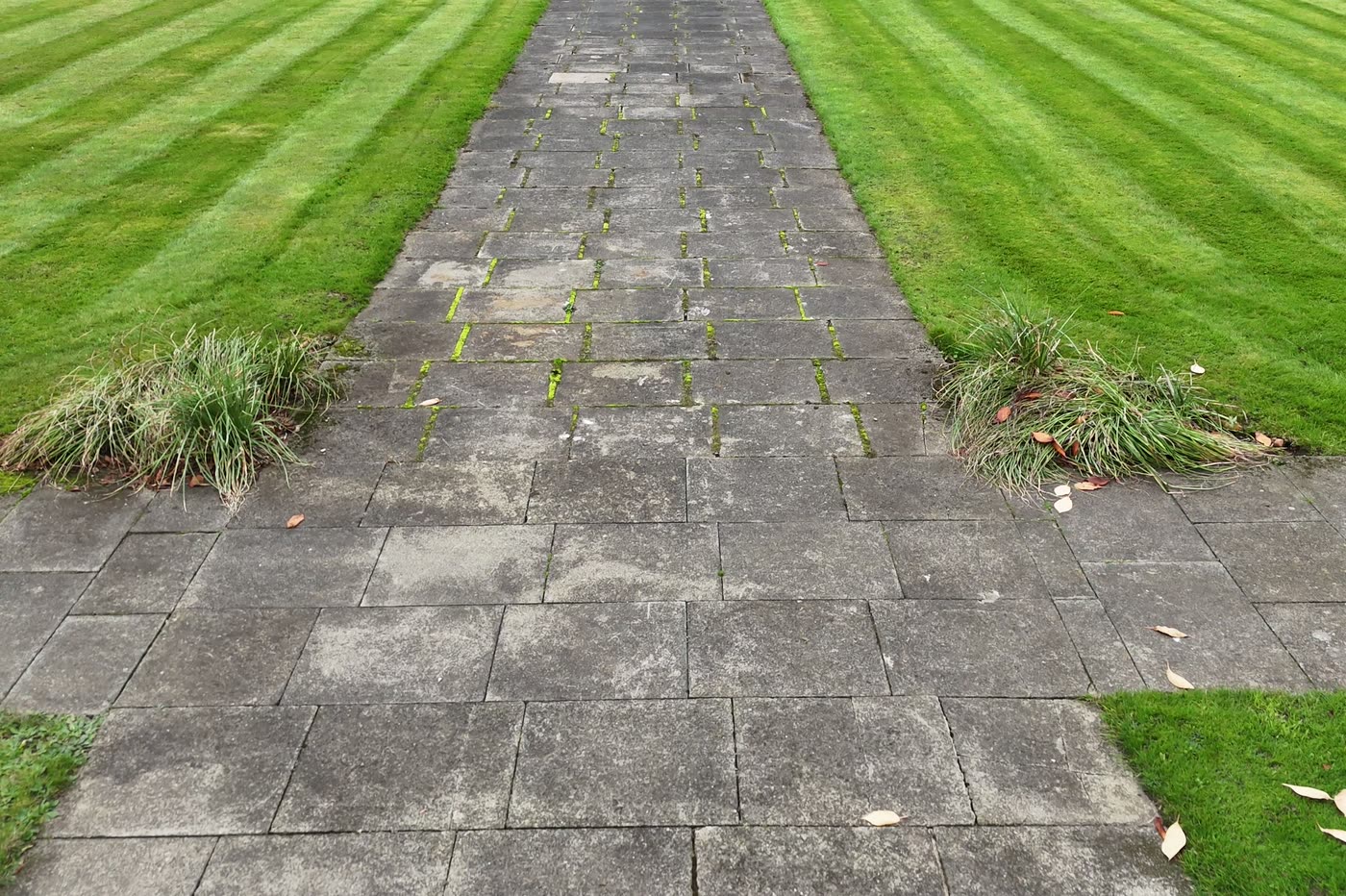
The fault patterns that mean the base has failed, and the ones that are a cheap afternoon fix.
Read the guideFree quote
When you are ready for prices rather than reading. Surveyed first, then itemised in writing.
Prefer to talk it through? Call 07423 123796, message us on WhatsApp or email info@pavelocal.co.uk.