Driveway guide
How long does a new driveway take to install?
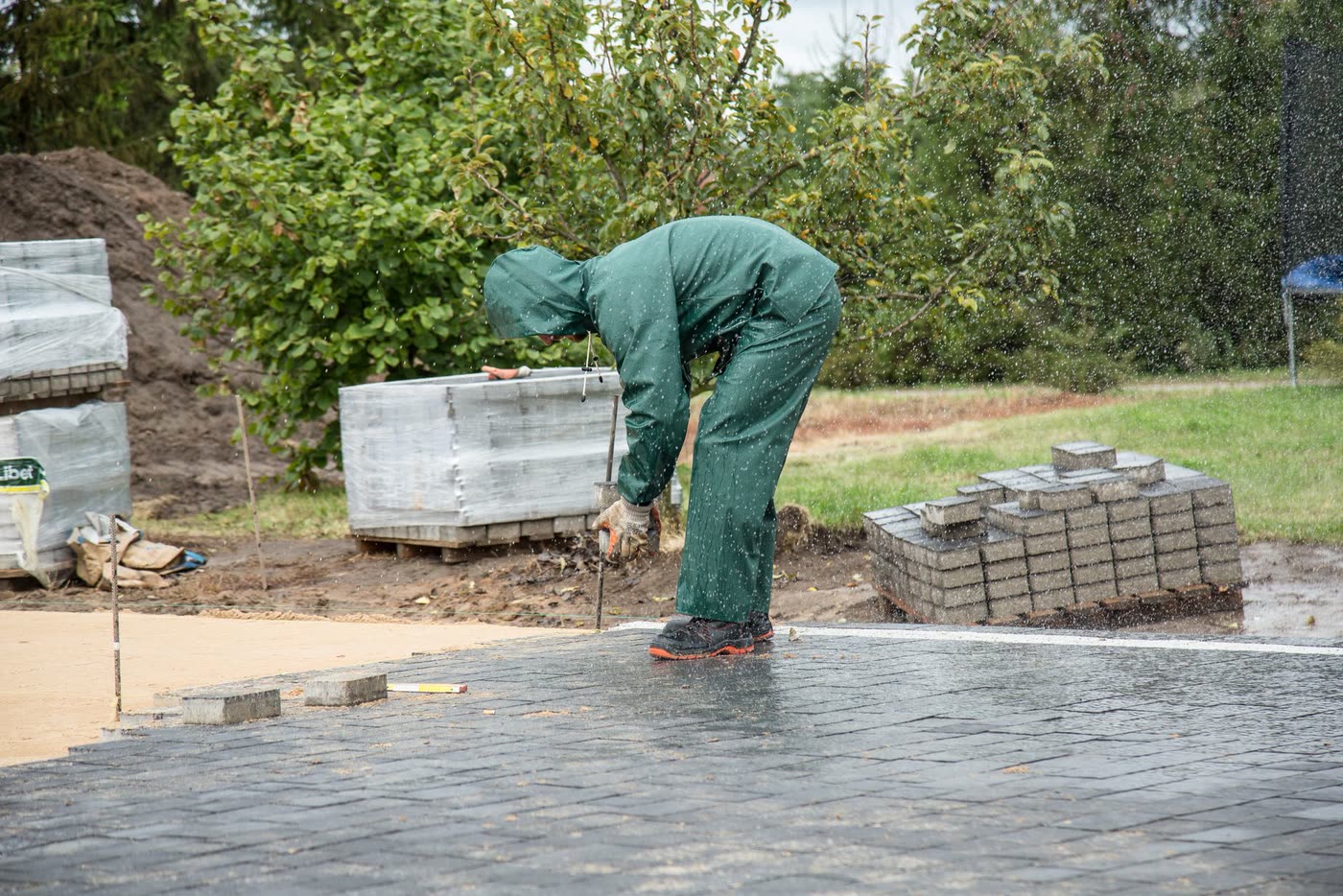
How long does a new driveway take to install? For a typical front drive, most of the work happens over a few days on site, but the calendar from first call to finished drive is usually longer. Surveys, any dropped kerb approval, the weather and curing times all sit around the days the team is actually digging. This guide breaks the timeline down so you can plan around it. For how the work itself runs, see driveway installation.
How long does a new driveway take, by surface
These are typical times on site for an average front drive once work starts. Size, access and ground conditions all change them.
| Surface | Typical time on site | Before you can drive on it |
|---|---|---|
| Block paving | 3–6 days | Usually straight away once finished |
| Tarmac | 2–4 days | Usually within a day, avoid sharp turns in hot weather |
| Resin bound over a sound base | 1–2 days | After the resin has cured, often a day or two |
| Imprinted concrete | 3–5 days | Several days, longer for full vehicle weight |
| Gravel in a grid | 1–3 days | Straight away |
What happens on each day
- Dig out. The old surface and soil are removed to the depth the base needs.
- Base. The sub-base goes in and is compacted in layers. This is the part that decides how long the drive lasts, as the edging guide explains.
- Edges and drainage. Edge restraints are set and any channel drains or soakaways fitted.
- Surface. Blocks, tarmac, resin or gravel go down.
- Finish. Jointing, cleaning and a walk round with you.
What stretches the calendar
A dropped kerb. If you need new access across the footway, the council process comes first and has its own timescale. In MK that is covered in the Milton Keynes dropped kerb guide.
Weather. Resin and concrete need dry conditions and suitable temperatures. Heavy rain on clay ground can pause a dig until the ground firms up.
Surprises in the ground. Old foundations, services or soft spots found during the dig add time. A good installer tells you before carrying on.
Planning. A large impermeable front drive without drainage needs planning permission, which adds weeks. The planning guide explains when that applies.
How to prepare for the work
- Move cars off the drive before day one and check where you can park nearby
- Tell neighbours, especially on shared parking courts, since there will be machinery and a skip
- Clear anything you want to keep from the area, including plant pots and edging you want reused
- Make sure the installer knows where any drains, stopcocks or cables run
- Agree where the skip or muck-away lorry will stand
Can you live at home while the drive is built?
Yes. You will lose use of the drive for the days on site and a little longer for resin or concrete, and there will be noise and dust during the dig. Access to the front door is usually kept open with boards. If you work from home, the dig out day is the loudest.
Why the base takes the longest
People are often surprised that the surface goes down quickly after days of digging and compacting. That is the right way round. Most of the time on site is spent on the part you will never see, because the base is what stops a drive dipping. An installer who rushes the base to finish early is saving time you will pay for later. On clay ground in particular, the clay ground guide explains why the base matters so much.
Questions about timing
Is winter a bad time for a new drive? Block paving and tarmac can be laid in most of the year, but frost, heavy rain and waterlogged clay can stop work for days at a time. Resin and concrete need drier, milder conditions. Expect a winter job to take longer from start to finish.
Why do some installers quote much faster times? Usually because they are laying a thinner base or no base at all. A shorter job is not a better one if the drive dips within two winters.
Planning your own timeline
Allow for the survey and quote, any approvals, then the days on site. Spring and early autumn are popular, so booking ahead helps. For budgeting alongside the timeline, see the Milton Keynes driveway cost guide.
Written and reviewed by the PaveLocal team. We build and specify driveways across Northamptonshire, Buckinghamshire and Bedfordshire. Pricing and specification guidance on this page reflects what these jobs cost and involve in this region, not a national average.