Driveway guide
Gravel driveway cost: the cheapest drive to lay and the one people redo soonest
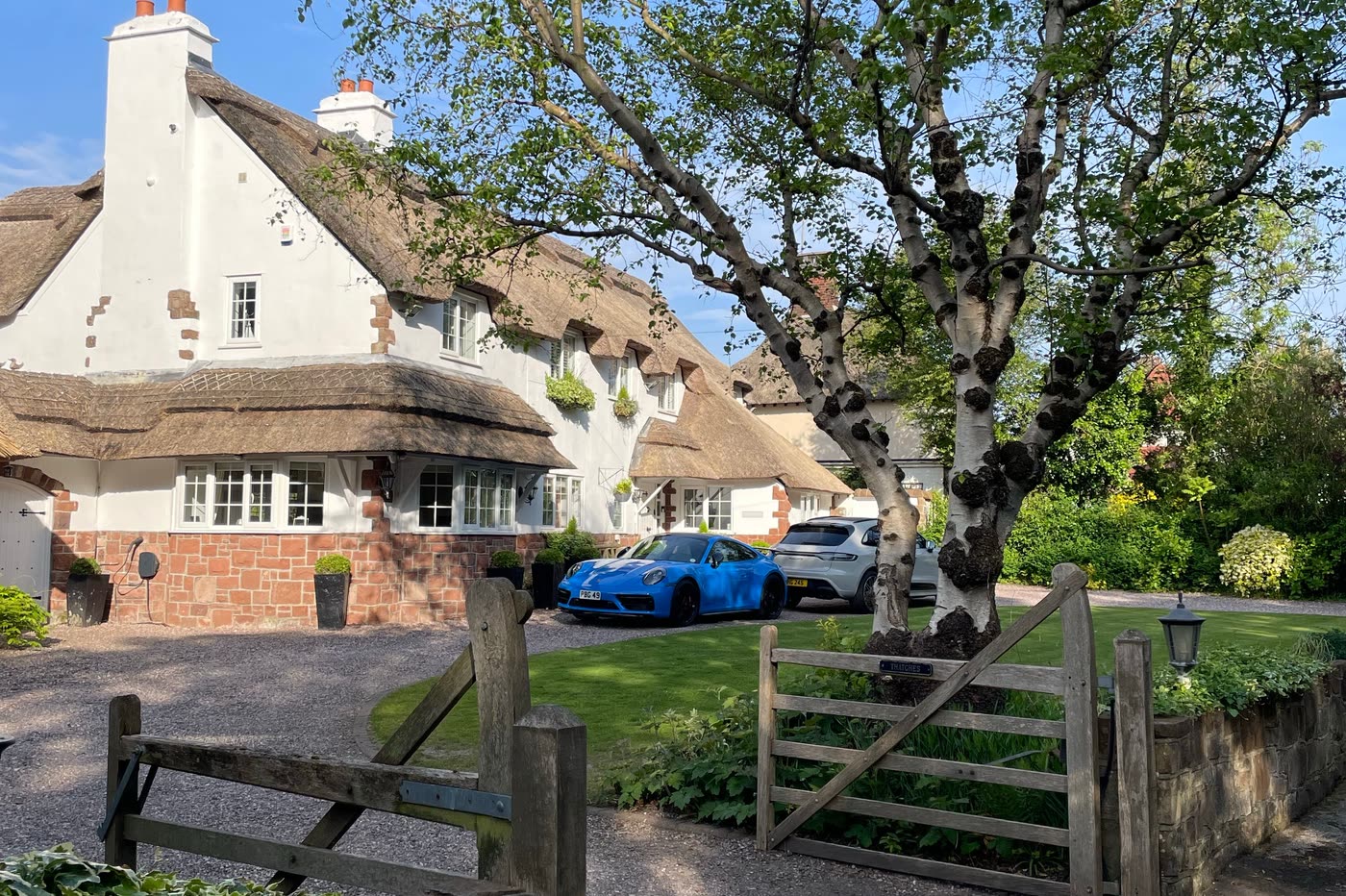
Gravel driveway cost is the lowest of any surface my team and I lay, and it is also the number most often quoted for something that will not last. The gap between a gravel drive that is still tidy in twenty years and one that is scattered across the pavement by the second winter is not the stone. It is whether anything is holding the stone still. That, and the drainage, is where the money should go.
What gravel driveway cost buys at each specification
| Build | Typical range | Realistic life |
|---|---|---|
| Stone tipped over existing surface | £15–£30 per m² | 1–3 years |
| Excavated, membrane, sub-base, loose stone | £40–£65 per m² | 8–12 years |
| As above with a stabilising grid | £55–£90 per m² | 20 years+ |
Indicative regional ranges, not a quote. The first row is the one to be careful about, because it is what most cheap gravel prices describe. Stone tipped onto whatever is already there has no confinement and no base. It looks right for a fortnight and then starts moving, which is why gravel has the reputation it has.
The second and third rows are real driveway builds. They involve the same excavation and the same compacted sub-base that sits under block paving, because a car does not know what is on the surface and loads the ground underneath identically either way. What you save on gravel is the surfacing material and the labour to lay it, not the groundwork, and any quote that appears to save you the groundwork has left it out rather than found a cheaper way to do it. That is the same trap set out in the driveway cost guide, and it accounts for most of the gap between two prices for what looks like the same job.
Why loose gravel migrates
Nothing about a car is kind to loose stone. Tyres push it forward when you brake and sideways when you turn, so it piles at the entrance, thins in the wheel tracks and ends up in the road. On any slope, gravity finishes the job. Raking it back is a monthly chore that never ends.
A stabilising grid is a honeycomb of cells that the stone sits inside. The cells stop lateral movement, so the surface stays where it was laid, stays level enough to walk on comfortably, and stops filling the gutter. It is the single change that moves gravel from a temporary surface to a permanent one, and it is why the third row of that table is the only gravel build my team and I recommend for a drive that gets daily use.
Where gravel genuinely wins
Drainage. A properly built gravel drive is permeable by default, which means the surface water rules that catch other surfaces are satisfied without a soakaway or a channel drain. That is a real cost saving and it is covered in the planning permission guide.
Awkward shapes and long runs. A rural drive, a turning circle, anything irregular. Gravel takes any shape without cutting, which is exactly where block paving gets expensive.
Period frontages. On a cottage or a Georgian house, gravel is often the only surface that looks like it belongs. Conservation officers tend to agree, which is why it comes up so often on the older streets in Buckingham and Brackley.
Security. Nobody crosses a gravel drive quietly. It is a minor point and homeowners raise it every time.
Where it does not
Wheelchairs, pushchairs, bike stands and high heels all struggle on loose stone, and a grid improves that without solving it. Anything steeper than a gentle slope will shed stone whatever you do. And if you want a surface you can jet wash and forget, gravel is the wrong choice, because the maintenance is topping up rather than cleaning.
Specifying it so the price means something
Ask for the excavation depth, the membrane, the sub-base depth, whether a grid is included, and the stone size and depth over it. Angular stone between 10mm and 20mm locks together; rounded pea shingle rolls and will always migrate. A quote that says only "supply and lay gravel" is describing the first row of the table at the price of the second, and the cost guide covers how to read the rest of it.
Written and reviewed by the PaveLocal team. We build and specify driveways across Northamptonshire, Buckinghamshire and Bedfordshire. Pricing and specification guidance on this page reflects what these jobs cost and involve in this region, not a national average.