Driveway guide
Dropped kerb in Bedford: how the council process works, and what it costs
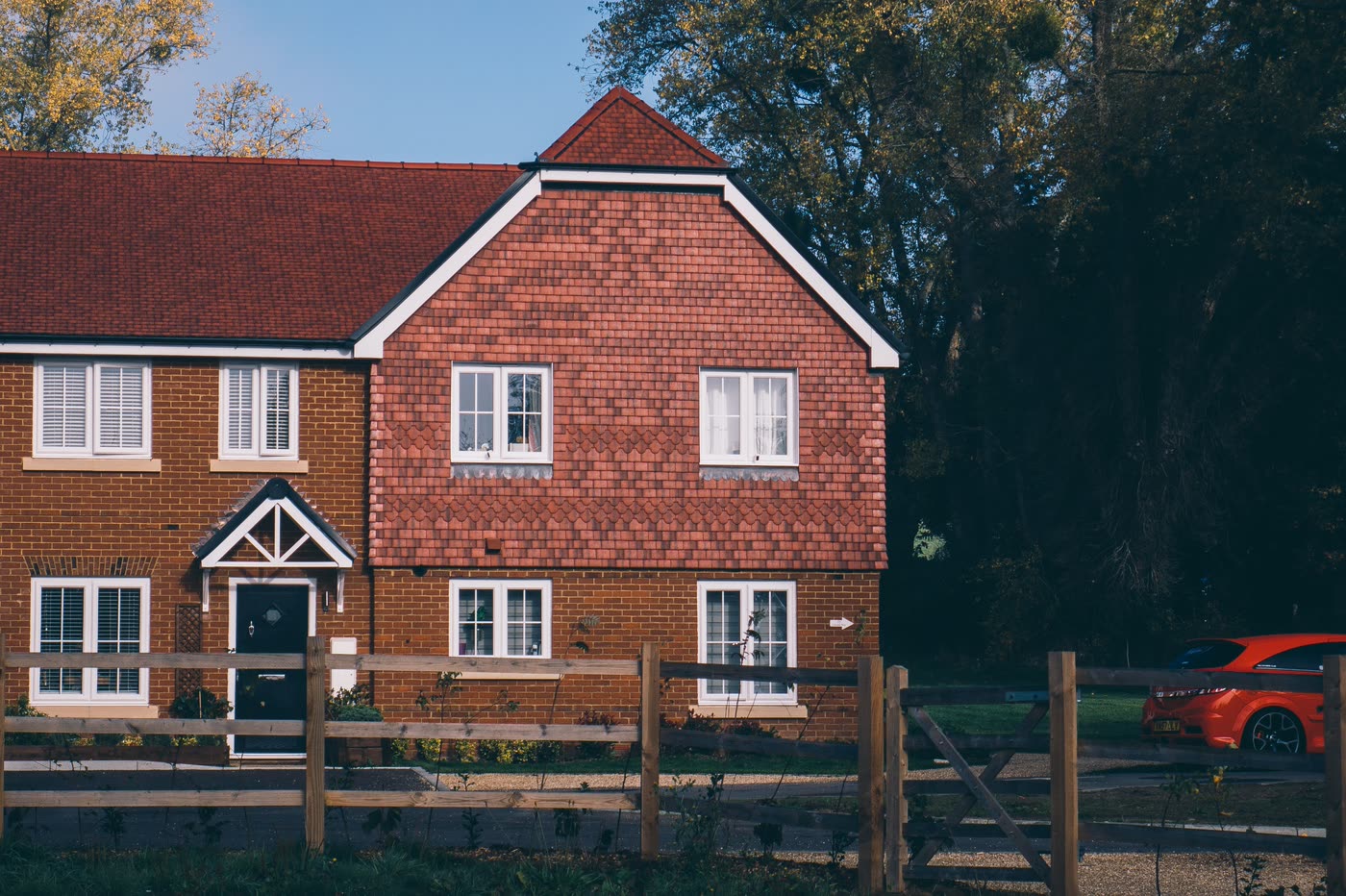
A dropped kerb in Bedford is built by Bedford Borough Council, not by your driveway installer. That is the first thing to understand, because it decides the order of the whole job: the council has to agree the crossing, quote for it and build it, while my team and I build the drive behind it to the standard the council expects. This guide sets out how the process works, the fees the council publishes, and the rules that catch people out. For what a crossover costs in general, see the dropped kerb cost guide, and for the drive itself, the Bedford driveways page.
Who builds a dropped kerb in Bedford
In Bedford Borough, only the council builds vehicle crossings. Its dropped kerb page says it is an offence for anyone else to alter the public footway. That is different from some neighbouring councils, where an approved contractor can do the work under licence, so do not assume the process you used elsewhere applies here. The Milton Keynes dropped kerb guide shows how different the rules can be one council along.
Getting a dropped kerb in Bedford, step by step
- Email the Highways Helpdesk to request a crossing. The address is on the council page.
- Pay the site visit and estimate fee. From 1 January 2026 it is £177.25, paid in full before the council assesses the crossing.
- The council visits and checks whether a crossing can work at your property.
- You receive a written quotation for building the crossing. The construction cost depends on your site, so it is not a fixed published figure.
- Get the parking area ready to the council's requirements, including removing any wall, fence or hedge where the crossing will go.
- The council builds the crossing.
The size rules for the parking area
The council sets minimum sizes for the space inside your boundary. The parking area should be at least 6 metres long, from the front of the house to the boundary, and at least 3.6 metres wide, with room left for people to walk past the car. The council says these conditions may not apply where the property is more than 8 metres wide, and cases that fall short may still be approved after a site inspection, but the council's decision is final.
No part of a parked car may hang over the footway. This is the rule that ends most short front gardens, so measure before you pay anyone for anything.
When you need planning permission
Most houses do not need planning permission for a dropped kerb. You do need it if the property fronts a classified road, is a listed building, or is not a single family house, such as flats or commercial premises. The council publishes a classified roads list, and checking it costs nothing. The driveway planning permission guide covers the separate question of whether the drive itself needs permission.
Drainage and surfacing: where the drive and the kerb meet
Bedford's rules reach back onto your property in two ways that matter when you choose a surface.
- No water across the footway
Water must not drain from your parking area across the pavement. Drainage has to be provided inside your boundary. A permeable surface, or a channel drain at the boundary, is the usual answer. The driveway drainage rules explain the wider planning side.
- A solid strip before any gravel
If you want gravel or another loose surface, the council asks for a 5 metre strip of concrete or blacktop from the boundary before the gravel starts. Loose stone carried onto the highway is yours to sweep up. The gravel driveways page covers how to stop stone travelling.
Resin bound and permeable block paving both suit these rules well, which is part of why they are popular in Bedford. See resin driveways in Bedford and block paving in Bedford.
Lamp posts, trees and other obstacles
If a lamp post, sign or tree is in the way, the council will look first at moving the position of the crossing. If you ask for a position other than the one the council recommends and something has to be moved, you pay for it. The council gives about £1,000 as the cost of relocating a lamp post at the time of writing. Items owned by other bodies, such as a telegraph pole, mean their charges and their written approval as well.
Other rules worth knowing
- Gates must not open outwards over the footway or road.
- A crossing across the full width of the frontage is not normally allowed.
- The crossing is for cars and light vehicles. If a skip lorry or heavy delivery damages it, the repair is yours.
- Two neighbours sharing a double crossing need one of them to deal with the council for both.
The order that works: measure, check the classified roads list, apply and pay the site visit fee, get the quote, then book the drive so it is built to meet the crossing. If you would like the drive priced alongside it, the driveway installation page explains how my team and I run a job.
Written and reviewed by the PaveLocal team. We build and specify driveways across Northamptonshire, Buckinghamshire and Bedfordshire. Pricing and specification guidance on this page reflects what these jobs cost and involve in this region, not a national average.