Driveway guide
Block paving sand: which sand, how much, and how to brush it in
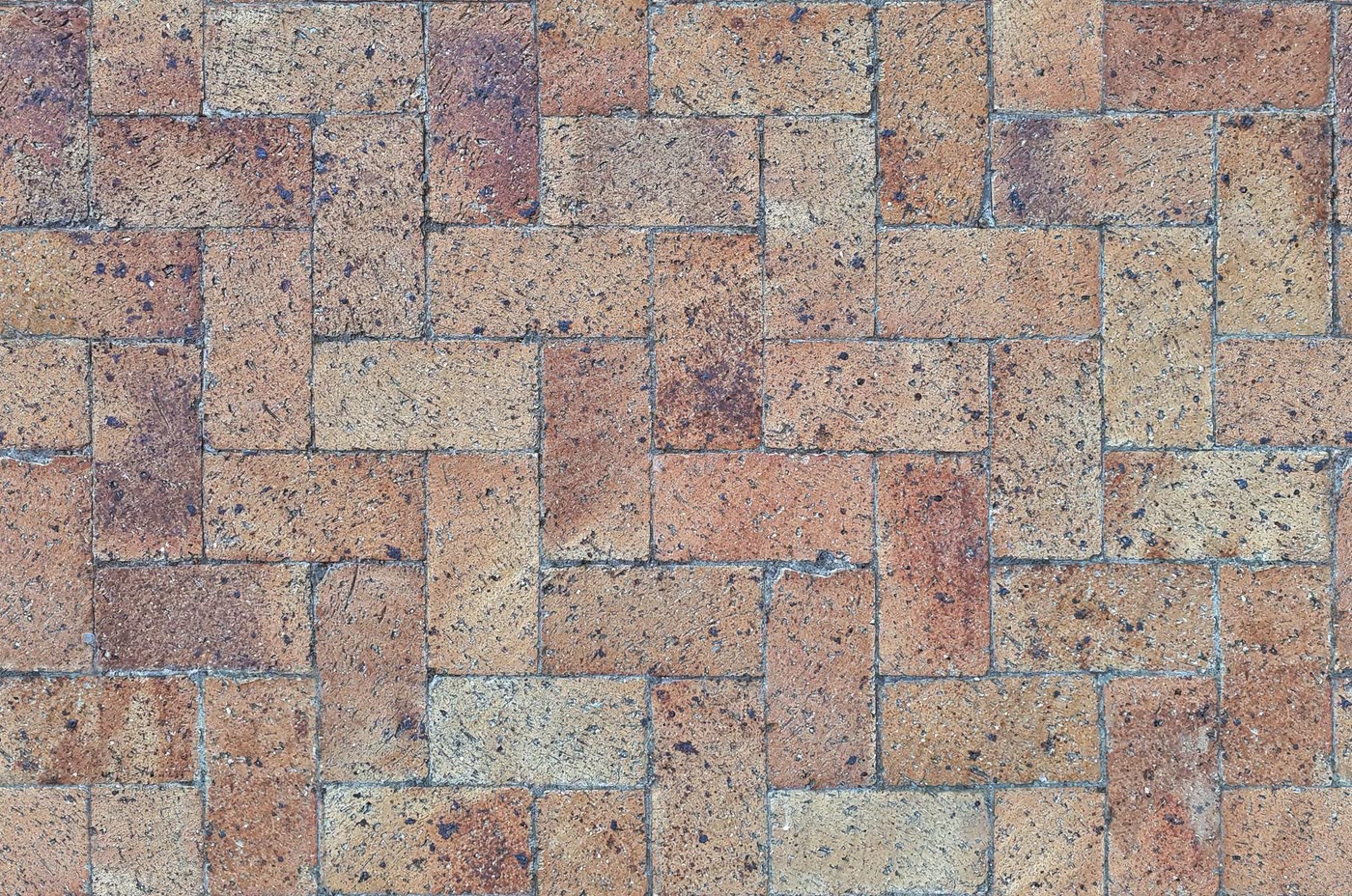
Block paving sand is the cheapest part of a block drive and the part that decides whether it stays flat. The blocks hold each other in place through the sand in the joints. When the joints empty, blocks start to rock, edges creep and weeds move in. This guide covers which block paving sand to buy, how much a drive needs, and how to brush it in so it stays. If the joints have emptied after a clean, the block paving cleaning guide explains why that happens, and driveway cleaning in Milton Keynes is the service my team and I offer for it.
Which block paving sand to use
For the joints, use kiln dried sand. It is a fine, dry silica sand made for brushing into paving joints. Because it is bone dry, it runs down into narrow joints and fills them from the bottom up, which damp sand cannot do. Heidelberg Materials describes its kiln dried sand as produced for brushing into block paving joints to stop the blocks moving sideways.
- Kiln dried sand
The right choice for jointing almost every block drive.
- Sharp sand
Goes under the blocks as the laying course, not in the joints. It is damp and coarse and will bridge narrow joints, leaving voids underneath.
- Building or soft sand
For mortar, not paving joints. It can stain light blocks and holds water.
- Weed-inhibiting jointing sand
Sold with additives that discourage weeds. It costs more and can help on a shady drive, but full joints of ordinary kiln dried sand do most of the same job, as the weeds guide explains.
Watch the colour. Marshalls warns in its joint filling sand datasheet that red kiln dried sand can stain lighter paving when wet, and that the staining is very hard to remove. Silver or natural sand is the safe default.
How much block paving sand a drive needs
Less than people think, and more after a deep clean. Marshalls gives approximate coverage for each 25kg unit of its joint filling sand, which falls as the blocks get thicker because the joints are deeper:
| Block thickness | Approx. coverage per 25kg |
|---|---|
| 50mm | 6–8m² |
| 60mm | 4.5–6.5m² |
| 80mm | 3.5–5.5m² |
Most driveway blocks are 50mm or 60mm. On a typical 40m² two-car drive with 60mm blocks that works out at roughly six to nine bags to fill joints that have been fully cleaned out. A top-up of joints that are only a little low takes a fraction of that. Buy one more bag than you think. Running out halfway through a dry spell is the usual mistake.
How to brush in block paving sand
- Wait for dry weather. The blocks and the joints both have to be dry, or the sand clumps at the top and never gets down. After pressure washing, joints stay wet longer than the faces of the blocks.
- Spread it thinly. Tip small heaps across the drive and spread them with a soft brush.
- Brush in several directions. Work the sand diagonally across the joints so it drops in rather than skating over.
- Settle it. On a new or relaid drive, a vibrating plate with a protective pad settles the sand deep into the joints; then brush in more. On an existing drive, leave it a few days for rain and traffic to settle it, then top up.
- Sweep off the surplus. Leave the faces clean. Loose sand on top just gets trodden into the house.
If the drive is new, the guide to laying block paving covers where the jointing stage sits in the build.
Why the sand keeps disappearing
- Pressure washing. A lance held close strips joints in seconds. Re-sand after every wash.
- Heavy rain on a drive with poor falls. Water running across the surface carries joint sand with it. If the same area empties every winter, look at the falls and the driveway drainage.
- Sweepers and suction. Some mechanical sweepers lift sand along with the dirt.
- Movement underneath. If blocks are rocking, sand falls through gaps into a failing laying course. More sand will not fix that, and the driveway repair guide covers what will.
Holding the sand in place
Once the joints are full, a block paving sealer binds the top of the sand so it stays put through rain and washing. It is worth it on some drives and not on others, which the sealing guide covers. Avoid home remedies such as brushing in cement or watering in PVA. They can leave a haze on the blocks and set the joints hard, which defeats the point of a flexible, jointed surface.
Re-sanding is a reasonable DIY job. If the drive needs a deep clean first, or the joints keep emptying in the same place, my team and I can look at it as part of a clean and re-sand in MK, or, where the base has gone, as a lift and relay in Milton Keynes.
Written and reviewed by the PaveLocal team. We build and specify driveways across Northamptonshire, Buckinghamshire and Bedfordshire. Pricing and specification guidance on this page reflects what these jobs cost and involve in this region, not a national average.